
Road trip budget tips: How to Travel Far Without Losing Your Freedom
November 6, 2025Introduction: The Freedom in Planning
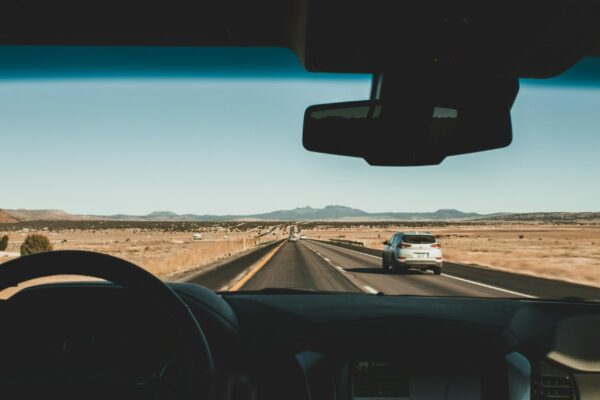
There’s a special kind of joy that comes with the open road — the hum of the tires, the blur of landscapes, the gentle realization that you could keep driving forever.
But somewhere between the excitement of adventure and the pull of freedom lies reality — fuel costs, food, lodgings, tolls. The dream is real, but so are the numbers.
A great journey isn’t about spending the most; it’s about spending smart. It’s about knowing when to splurge and when to save, when to rest and when to keep going. That’s why every traveler — whether chasing sunsets across deserts or winding through mountain passes — needs a road trip planner that keeps both imagination and budget in harmony.
Because when you plan your money well, you buy yourself something priceless: peace of mind.
The Story of Two Travelers
Imagine two friends setting off on the same trip.
One packs on impulse, pays full price at every stop, and constantly worries if the next gas station will accept their card.
The other uses a road trip planner — mapping routes, calculating costs, and leaving space for the unexpected.
By the journey’s end, one feels stressed and scattered.
The other? Calm, fulfilled, and ready to go again.
The difference isn’t luck. It’s planning.
1. Know Your Budget Before You Turn the Key
Every road trip has two beginnings: the moment you start the engine, and the moment you start planning.
Open your road trip planner and list what matters most. Your budget isn’t just about money — it’s about priorities.
Here’s a simple breakdown to begin with:
- Fuel: 30–40% of your budget
- Accommodation: 25–35%
- Food & drinks: 15–20%
- Activities & entertainment: 10–15%
- Emergency fund: 5–10%
💡 Pro Tip: Write these numbers in your planner before booking anything. That way, you’ll know where every dollar is meant to go — and where it might slip away.
2. Fuel: The Hidden Expense That Adds Up Fast
Gas is the heartbeat of a road trip. But it’s also one of the easiest costs to overlook.
How to Save:
- Use apps to compare fuel prices along your route.
- Avoid constant small top-ups — fill up in towns rather than remote highways.
- Plan your route efficiently in your road trip planner to avoid unnecessary detours.
💡 Pro Tip: Estimate total mileage in your planner before leaving, then multiply by your car’s MPG and average fuel price. That’s your baseline — your safety net.
3. Accommodation: Comfort Without Compromise
You don’t need luxury hotels to rest well. Sometimes, the best nights are spent under the stars or in cozy roadside inns that smell faintly of coffee and adventure.
Money-Smart Options:
- Mix camping, motels, and Airbnb stays.
- Use off-season rates and loyalty points.
- Plan ahead — spontaneous stops can be magical, but last-minute bookings can drain your budget.
💡 Pro Tip: Use your road trip planner to log options at every major stop. A quick note — “cheap but clean,” “great breakfast,” “avoid noisy street” — will be gold next time you’re here.
4. Food: The Joy of Eating on the Road
Food is more than fuel; it’s flavor, culture, and connection. But restaurant meals three times a day can crush a budget.
How to Save:
- Pack a small cooler with snacks and drinks.
- Stop at local grocery stores for fresh, inexpensive meals.
- Picnic at scenic overlooks — the view is free, and the memory priceless.
- Treat yourself to one special meal per day — something local and unforgettable.
💡 Pro Tip: Use your road trip planner to track daily food spending. You’ll quickly see patterns — and know where to adjust.
5. Activities: Collect Experiences, Not Expenses
It’s easy to fall into the trap of “doing everything.” But the best road trips are about being — being in the moment, being curious, being open.
Budget-Friendly Experiences:
- Free hikes, viewpoints, and beaches.
- Local farmers’ markets and street fairs.
- National park passes (one-time cost, many memories).
- Historical landmarks and small-town museums.
💡 Pro Tip: Create an “Experience Wishlist” in your road trip planner — one page for must-dos, another for “maybe later.” When costs run tight, you’ll still have options that feed the soul, not just the wallet.
6. The Power of the Emergency Fund
Even the best plans can hit potholes. Flat tires, medical needs, weather delays — surprises happen.
Set aside 5–10% of your total budget as an untouchable reserve. Your road trip planner can track it separately, ensuring you’re ready for whatever the road throws your way.
💡 Pro Tip: Treat your emergency fund as sacred. It’s your peace-of-mind account — the safety net that lets you travel boldly without fear.
7. Smart Saving Habits on the Go
Little habits add up to big savings.
- Refill water bottles instead of buying new ones.
- Wash clothes mid-trip instead of overpacking.
- Share expenses if traveling with friends.
- Look for free attractions or “pay what you wish” museums.
Your road trip planner becomes a daily money journal — where you can note what worked, what didn’t, and what surprised you. Over time, it becomes your personal guidebook to smarter travel.
8. When to Splurge (Because Life’s Too Short Not To)
Budgeting isn’t about deprivation; it’s about balance.
Buy that slice of pie in a forgotten diner. Book the cabin with the mountain view. Take the guided kayak tour you’ll never forget.
Mark these intentional indulgences in your road trip planner — so they stand out not as expenses, but as experiences. Because the best money you spend is on memories that live longer than the receipt.
9. Tracking Your Trip in Real Time
Budgets aren’t static — they evolve as the road unfolds.
At the end of each day, take five minutes to jot down:
- What you spent
- What you saved
- What surprised you
This simple habit — especially when recorded in your road trip planner — transforms random spending into meaningful data. By the end of your trip, you’ll have a clear snapshot of how your journey flowed — both financially and emotionally.
10. The Ultimate Tool: The Travel To-Do List by OneDigitalTop
Every traveler needs a companion that keeps them grounded and inspired. The Travel To-Do List by OneDigitalTop isn’t just a notebook — it’s a road trip planner, a budget tracker, and a dream catcher all in one.
With it, you can:
✅ Plan your route and daily expenses
✅ Log fuel, lodging, and meal costs
✅ Keep checklists, itineraries, and reflections in one place
✅ Turn your financial goals into travel goals
It’s beautifully designed for dreamers who love structure — the kind of travelers who know that freedom thrives best when it’s organized.
Conclusion: The Richest Kind of Journey
When you look back on your travels, you won’t remember the exact amount you spent on gas or that motel outside Denver. You’ll remember the laughter echoing through the canyons, the scent of pine at sunrise, the feeling of arriving somewhere new — richer in stories than you ever imagined.
Budgeting isn’t about limits. It’s about intention. And a great road trip planner — like the Travel To-Do List — helps you stay intentional from the first mile to the last.
Because the truth is simple:
Money runs out. Memories don’t.
So plan wisely, pack freely, and drive toward the horizon knowing your adventure is fully funded — and fully yours.
“Want to save money on your packing list? Don’t miss our road trip budgeting guide.”